Tinted Sunscreen for Every Skin Tone: A Shade Guide
Finding iron-oxide protection that disappears on you.
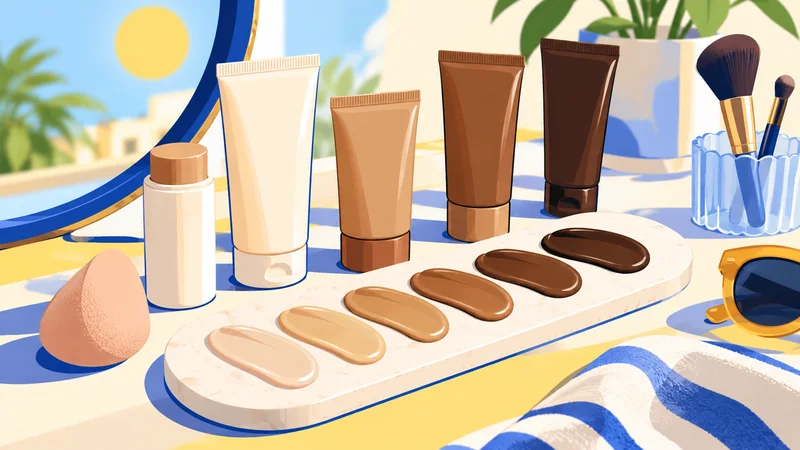
Tinted sunscreens get their color from iron oxides, which also help shield against high-energy visible (blue) light that clear mineral sunscreens largely miss.
Dermatologists note that the white cast of mineral sunscreen is most visible on deeper skin tones, which is why tinted, iron-oxide formulas are often a better, more inclusive choice.
Questions we get a lot
How do I pick the right tinted sunscreen shade?
Match to your skin's depth and undertone, then check it in natural daylight, not store lighting. Many tinted sunscreens are sheer and blend across a small range rather than matching like foundation. If it looks ashy or orange, the undertone is off — try a warmer or cooler option.
Why does tinted sunscreen reduce white cast?
Plain mineral filters scatter visible light and can leave a whitish film, most noticeable on deeper skin tones. Iron oxide pigments in tinted formulas add color that counteracts that cast and blends into more skin tones, while also shielding against blue light.
Can a tinted sunscreen replace my foundation?
For light, even coverage, often yes — many people use tinted sunscreen as a one-step base. But it's sunscreen first, so apply it generously enough to get the labeled SPF rather than dabbing it like makeup. For fuller coverage, layer regular makeup on top.
r/SkincareAddiction: 'Why does every tinted sunscreen look too orange or too gray on my skin?'