Winter Sports Are Coming: Snow UV 101
Ski-season prep starts with understanding reflection.
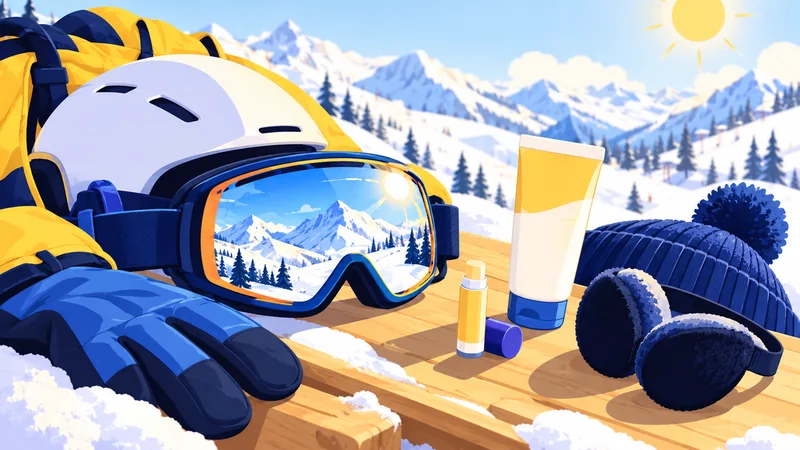
Fresh snow reflects up to 80% of UV rays back onto the skin, so winter sports double your effective sun exposure.
Photokeratitis — 'snow blindness' — is essentially a sunburn of the eye's surface caused by intense reflected UV off snow.
Questions we get a lot
Do I need sunscreen while skiing?
Definitely. On the slopes snow reflects up to 80% of UV and altitude raises intensity about 4–5% per 1,000 feet, so exposure is intense even in the cold. Use broad-spectrum SPF 30+ on the face, ears and neck, an SPF lip balm, and UV-blocking goggles.
When is the UV index high enough to need protection?
Dermatologists generally recommend sun protection whenever the UV Index is 3 or higher. Across much of the US that threshold is reached most of the year around midday — and even lower readings add up over time, so daily broad-spectrum sunscreen is a sensible default.
Do I need sunscreen in winter?
Yes. UVA rays — which cause aging and contribute to skin cancer — stay fairly constant year-round and pass through clouds and glass, and snow reflects up to 80% of UV. Daily broad-spectrum sunscreen on exposed skin is recommended in winter, especially for snow sports.
r/30PlusSkinCare: 'Is winter sun damage actually a real thing?'