The Year's Biggest Sunscreen Myths, Rounded Up
A November fact-check before holiday gatherings.
Orlando Health (2024): 23% wrongly believed staying hydrated prevents sunburn.
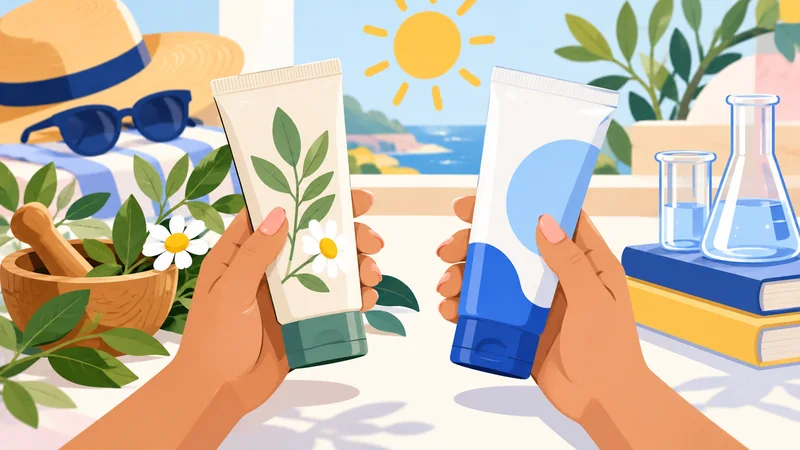
Dermatologists stress that DIY 'natural' sunscreens offer no reliable, tested UV protection.
Questions we get a lot
Does daily sunscreen affect vitamin D?
The evidence is mixed but reassuring: most studies find that sunscreen, as people actually use it, does not cause vitamin D deficiency — partly because no one blocks 100% of UV. If you're concerned, dietary sources and supplements are a safer route than deliberate unprotected sun exposure.
Is sunscreen actually bad for you?
For the vast majority of people, no — major dermatology bodies consider sunscreen safe and effective, and the proven risks of unprotected UV (skin cancer, premature aging) are far greater. The FDA is studying how some chemical filters are absorbed, but absorption alone does not mean harm.
Does sunscreen cause cancer?
No credible evidence shows sunscreen causes cancer; the established science is that UV exposure causes skin cancer and sunscreen helps prevent it. The myth usually stems from misread filter-absorption studies or one-off benzene contamination findings (benzene is a manufacturing impurity, not a sunscreen ingredient).
r/SkincareAddiction: 'Should I worry about benzene in my sunscreen?'