The Difference Between SPF and Broad-Spectrum, in Your Formula
Two label claims, two different protections.
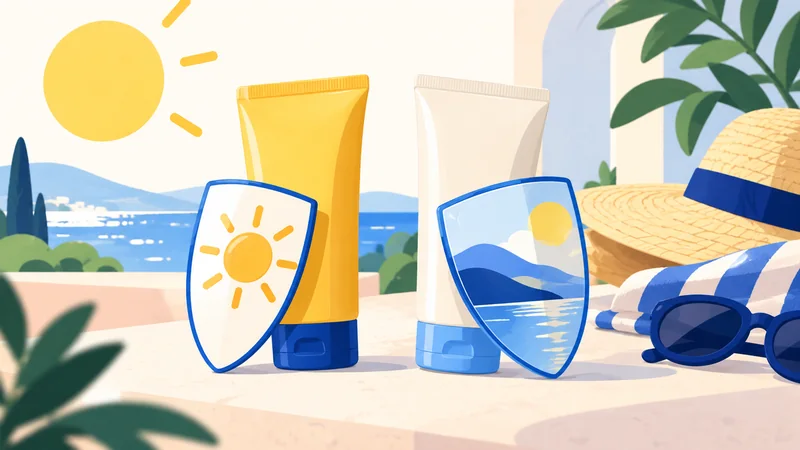
SPF primarily measures protection against UVB, the burning rays; only a sunscreen labeled 'broad-spectrum' has also met a standard for UVA protection, the deeper rays that drive aging.
Cosmetic chemists stress the label has two separate jobs: the SPF number rates UVB defense, while the 'broad-spectrum' claim certifies UVA coverage — and you want both, since a high SPF alone can leave you under-protected against aging UVA.
Questions we get a lot
What is the difference between SPF and broad-spectrum?
SPF mainly measures how well a sunscreen blocks UVB, the rays that cause sunburn. 'Broad-spectrum' is a separate claim meaning the product also passed a test for UVA protection — the deeper rays behind aging and pigmentation. A sunscreen can have a high SPF yet weak UVA cover, so look for both.
Why does a high SPF alone not guarantee good UVA protection?
Because SPF is a UVB metric. Some filters are excellent against UVB but only fair against UVA, so a formula can post a high SPF while leaving a UVA gap. The 'broad-spectrum' label, based on a critical-wavelength test, is what confirms balanced UVA coverage too.
Do antioxidants in sunscreen actually work?
Antioxidants such as vitamins C and E don't filter UV and don't change a product's SPF or broad-spectrum rating, but they can neutralize some of the free radicals UV generates, adding a complementary layer of defense. They support — never replace — broad-spectrum sunscreen.
r/SkincareScience: 'If my sunscreen is SPF 50 but doesn't say broad-spectrum, am I still protected from UVA?'