What Makes a Sunscreen Reef-Friendlier (Formulation View)
The ingredient choices behind the claim.
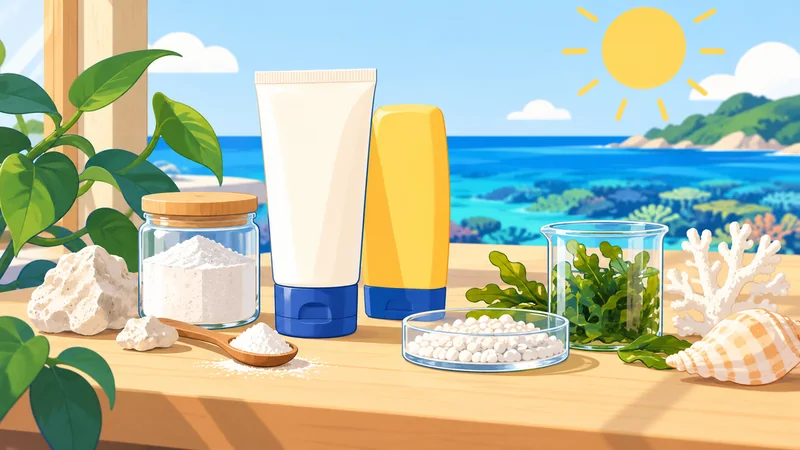
Hawaii's Act 104 banned the sale of sunscreens containing oxybenzone and octinoxate (effective 2021), citing concerns about their effects on coral reefs — though 'reef-safe' itself remains an unregulated label.
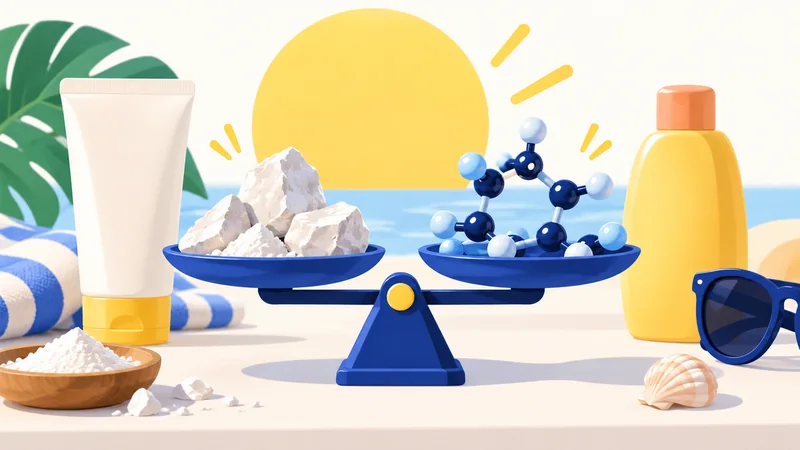
Formulators caution that 'reef-safe' has no legal definition, so the meaningful signal is the ingredient list — typically the absence of oxybenzone and octinoxate and a reliance on non-nano mineral filters.
Questions we get a lot
What does 'reef-safe' sunscreen actually mean?
It's an unregulated marketing term with no agreed legal definition, so it isn't a guarantee. In practice, products labeled reef-friendlier usually leave out oxybenzone and octinoxate — the filters Hawaii restricted — and often rely on mineral filters. Check the ingredient list rather than trusting the front-of-pack claim.
Which sunscreen ingredients are restricted over coral concerns?
Hawaii and some other jurisdictions have restricted the sale of sunscreens containing oxybenzone and octinoxate, citing potential harm to coral reefs. Reef-friendlier formulas typically avoid those filters, often favoring non-nano zinc oxide. The science is still developing, so choices are precautionary rather than settled.
Do I have to give up effective sun protection to be reef-friendlier?
No. You can choose a broad-spectrum SPF 30+ that omits oxybenzone and octinoxate and still get strong protection. Mineral formulas with non-nano zinc oxide are popular for this. Pairing sunscreen with shade, rash guards and hats also cuts both UV exposure and the amount of product washing off in the water.
r/SkincareAddiction: 'Is reef-safe sunscreen actually better for the ocean, or is it just a label?'